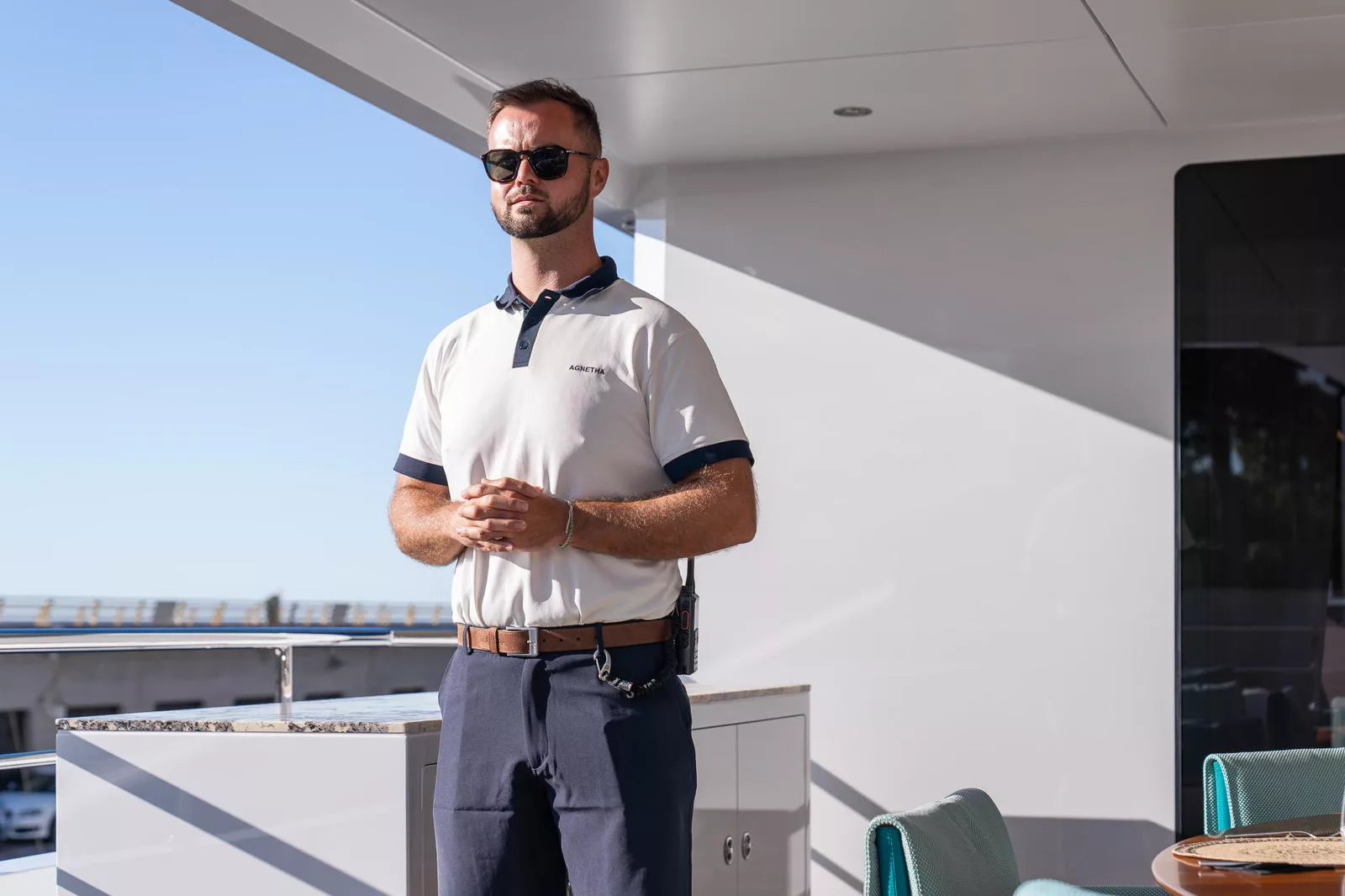
Fabric of the Vessel: Defining the Modern Crew Aesthetic
When the 55-metre Steel Project Agnetha made her debut in the South of France last September, she represented the turn-key philosophy at its most refined. With her white hull and strong architectural lines, she is unmistakably Heesen. But a finished superyacht is more than engineering alone. The operational details, often described as the “soft” elements are just as essential as the steel structure itself.
As part of this wider vision, we collaborated with Oceanform to supply a complete uniform suite for the vessel. The decision reflected a shared approach to quality, responsibility and modern design. Oceanform’s uniforms are produced ethically in Portugal using predominantly European-sourced fabrics, offering a level of craftsmanship and oversight that aligns with Heesen’s own standards. The brand’s clean, contemporary aesthetic also mirrored the architectural intent of Project Agnetha, while its broader values played a role. The collaboration reflects a broader shift within the industry where crew presentation is no longer an afterthought, but an integral part of the yacht’s overall design language.
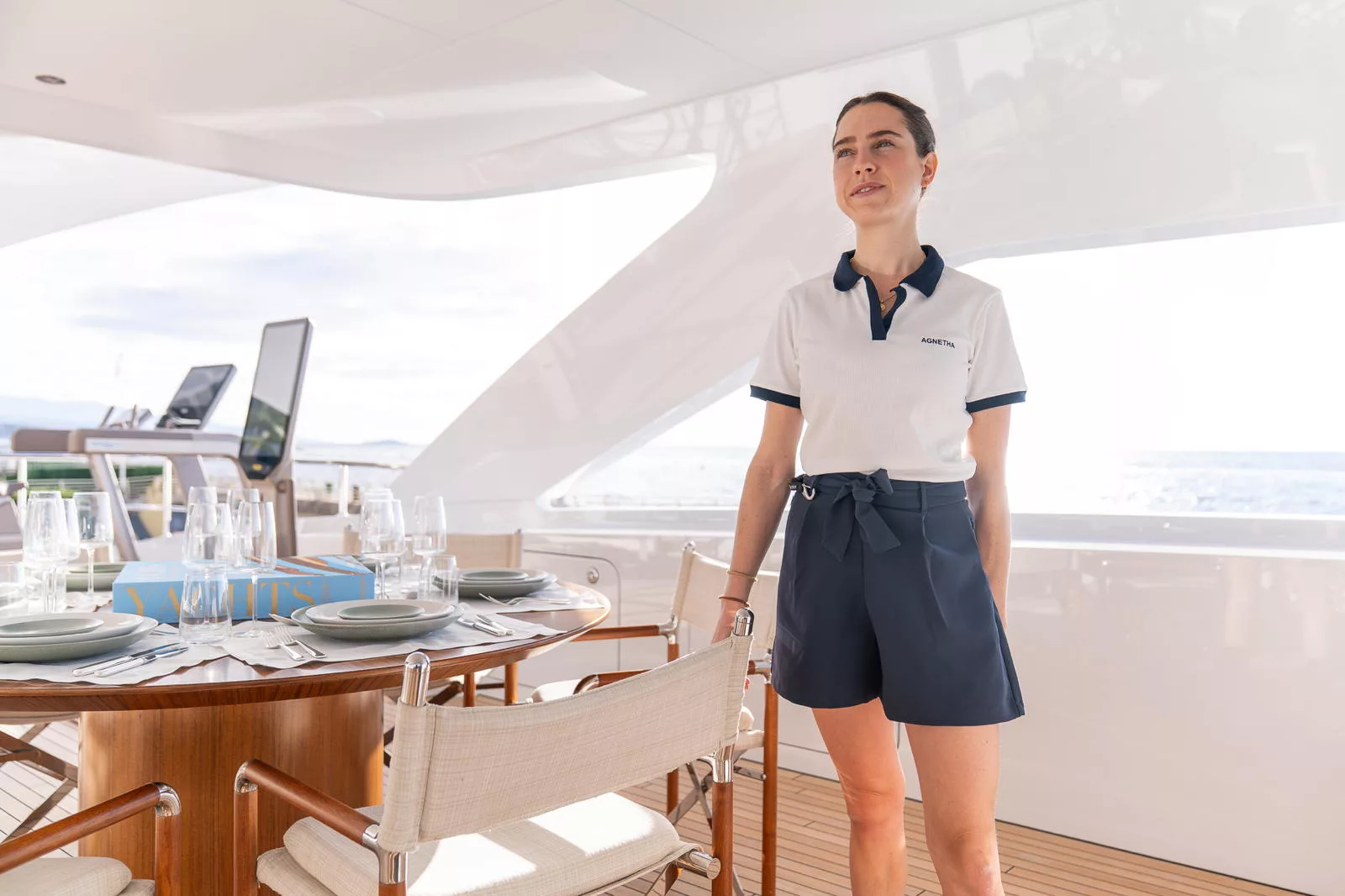
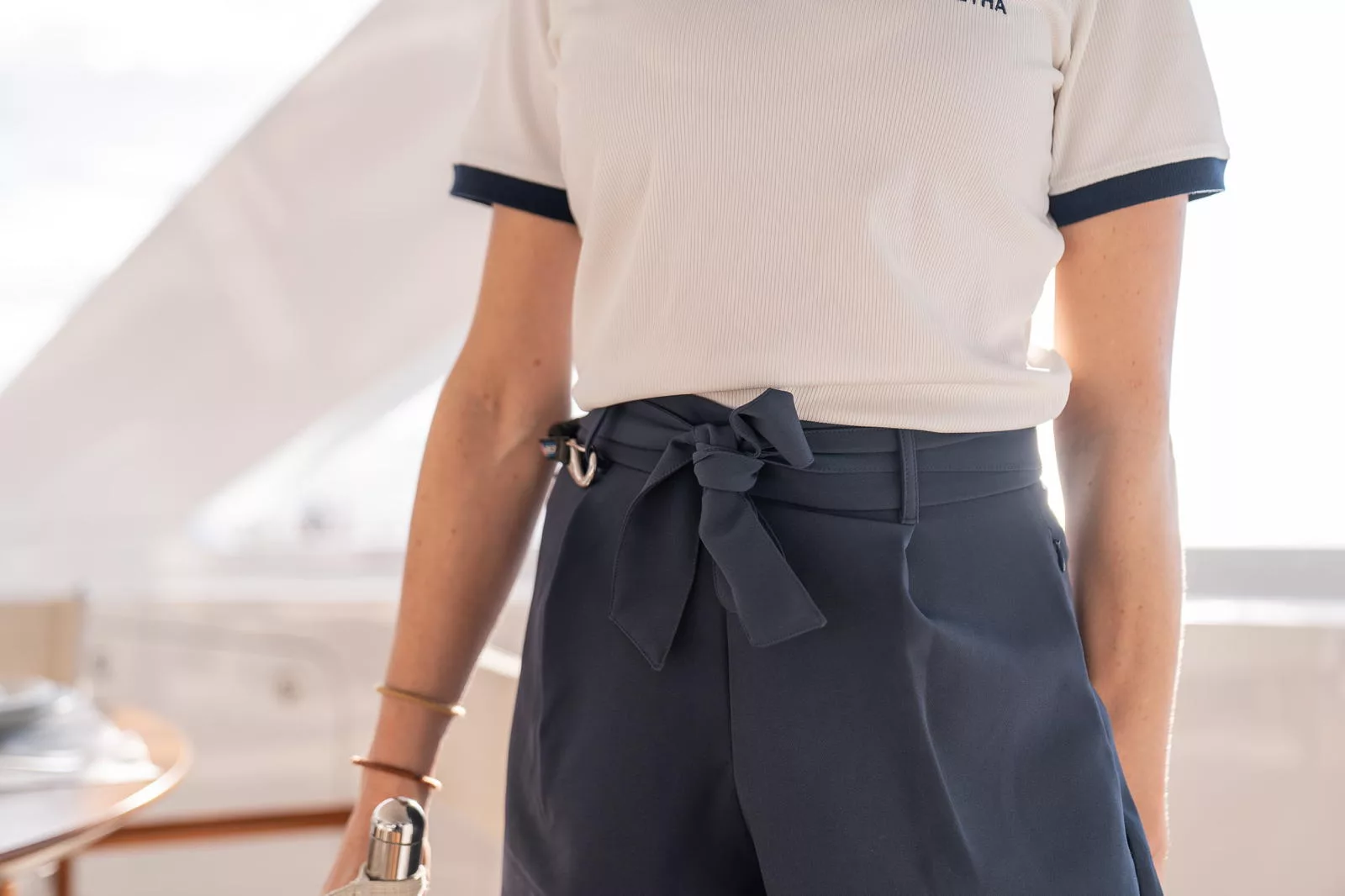
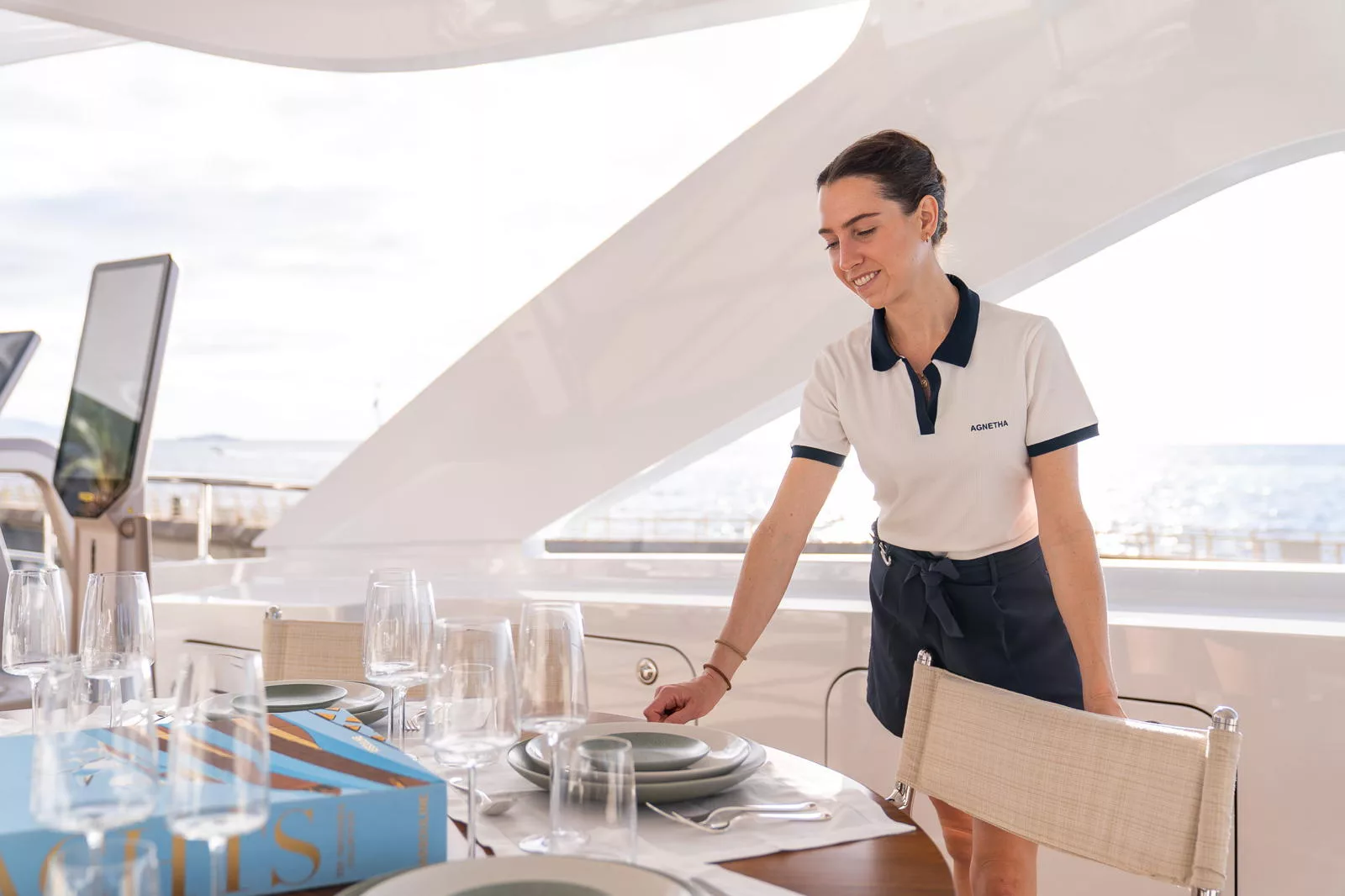
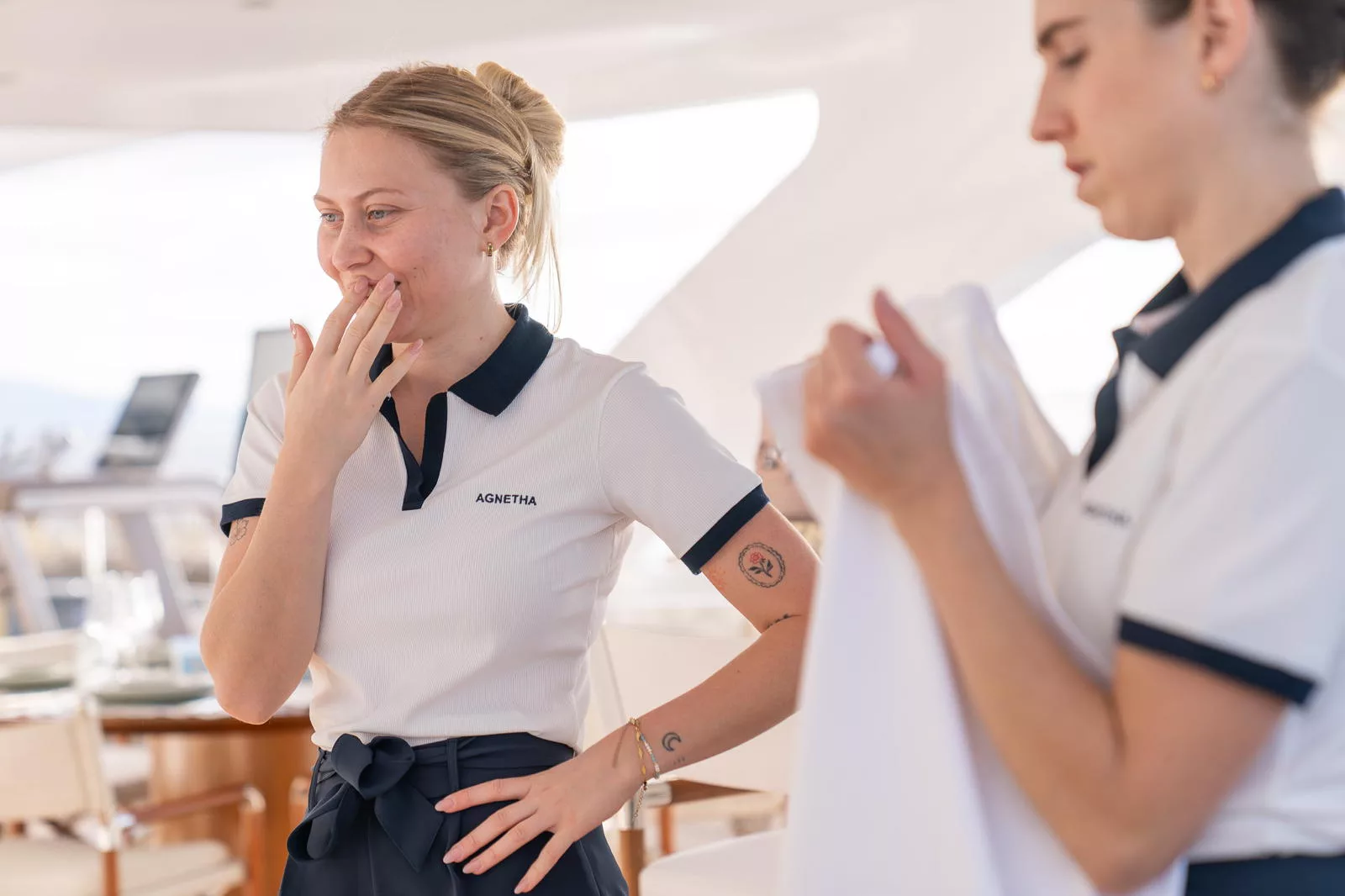
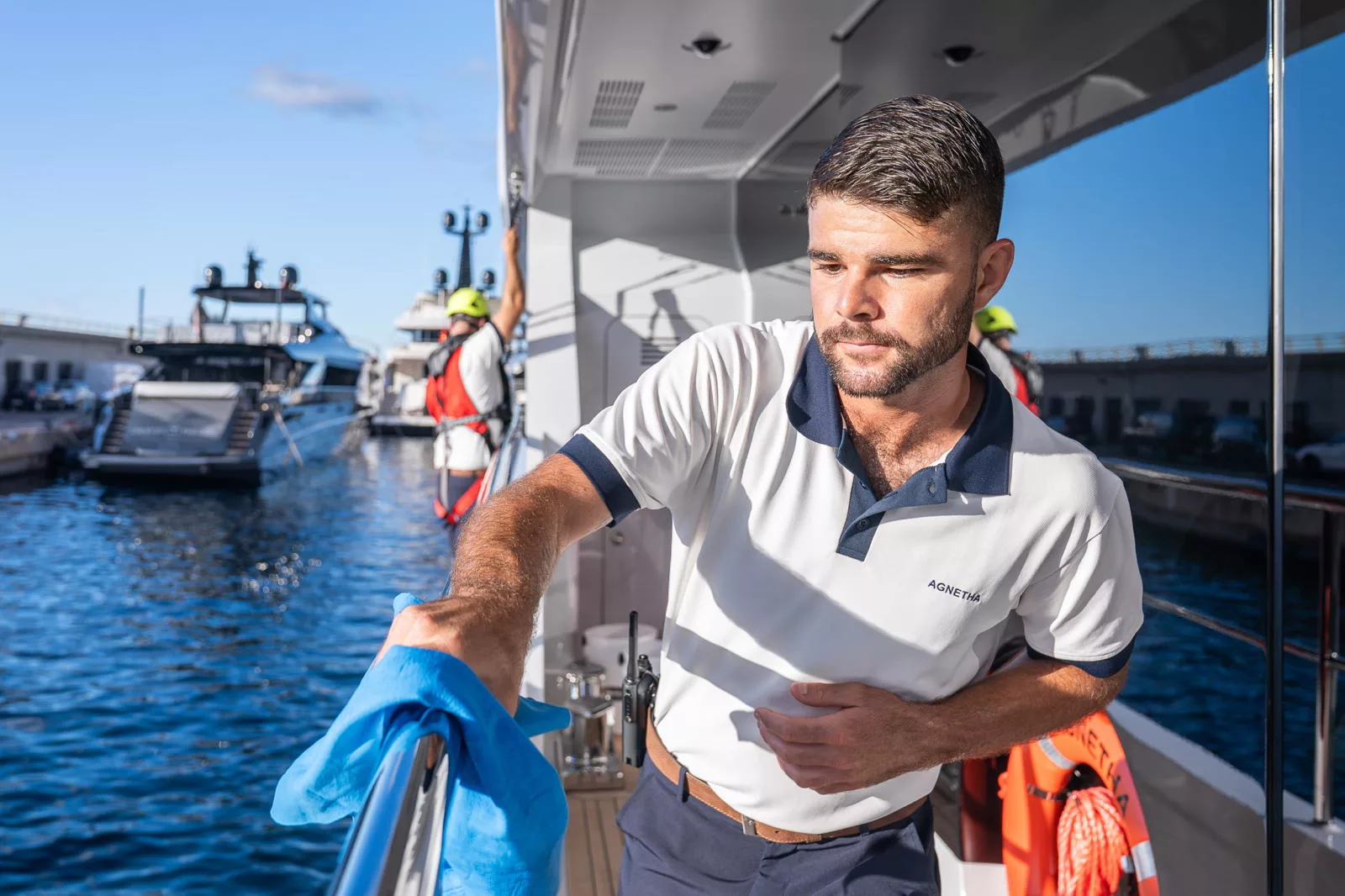
For the yachting-savvy observer, the days of generic naval surplus are fading fast. Crew uniforms have evolved from a simple procurement task into a design discipline of their own, driven by the need for both performance and visual cohesion. For decades, tradition dominated, with heavy cottons and rigid dress whites that paid little attention to the realities of working life on board. Today’s deckhand operates more like an athlete, handling lines, climbing ladders, working in heat and then changing quickly for guest service. The clothing has to support that pace.
This need for performance must now align with a yacht’s specific visual identity. When an owner selects a uniform, they are not just clothing their staff but shaping the atmosphere on board. The uniform is the first human interaction a guest experiences and sets expectations without a word being spoken. For Project Agnetha, the intention was to move away from formality and towards something more relaxed and contemporary.
“We had a very tight turnaround on Project Agnetha and weren’t able to visit the vessel in person beforehand,” says the team at Oceanform. “But we worked closely with the Heesen team to understand the yacht’s architecture, colour palette, and most importantly how guests should feel when they step on board.”
The result was a uniform collection that felt at home within the space. “We wanted the designs to be clean and understated, with a strong sense of identity that matched the brief for Agnetha,” they explain. “Seeing the yacht at the show confirmed that the uniforms fitted naturally into the environment.”
While appearance sets the tone, materials are increasingly shaped by sustainability concerns. Owners are more conscious than ever of their vessel’s environmental footprint, and this scrutiny now extends to uniforms and laundry cycles. The marine environment, however, is demanding. Salt, sun exposure and frequent washing can quickly break down fabrics that are not designed for longevity. The challenge is finding a balance between responsible sourcing and garments that can withstand a full season on the water.
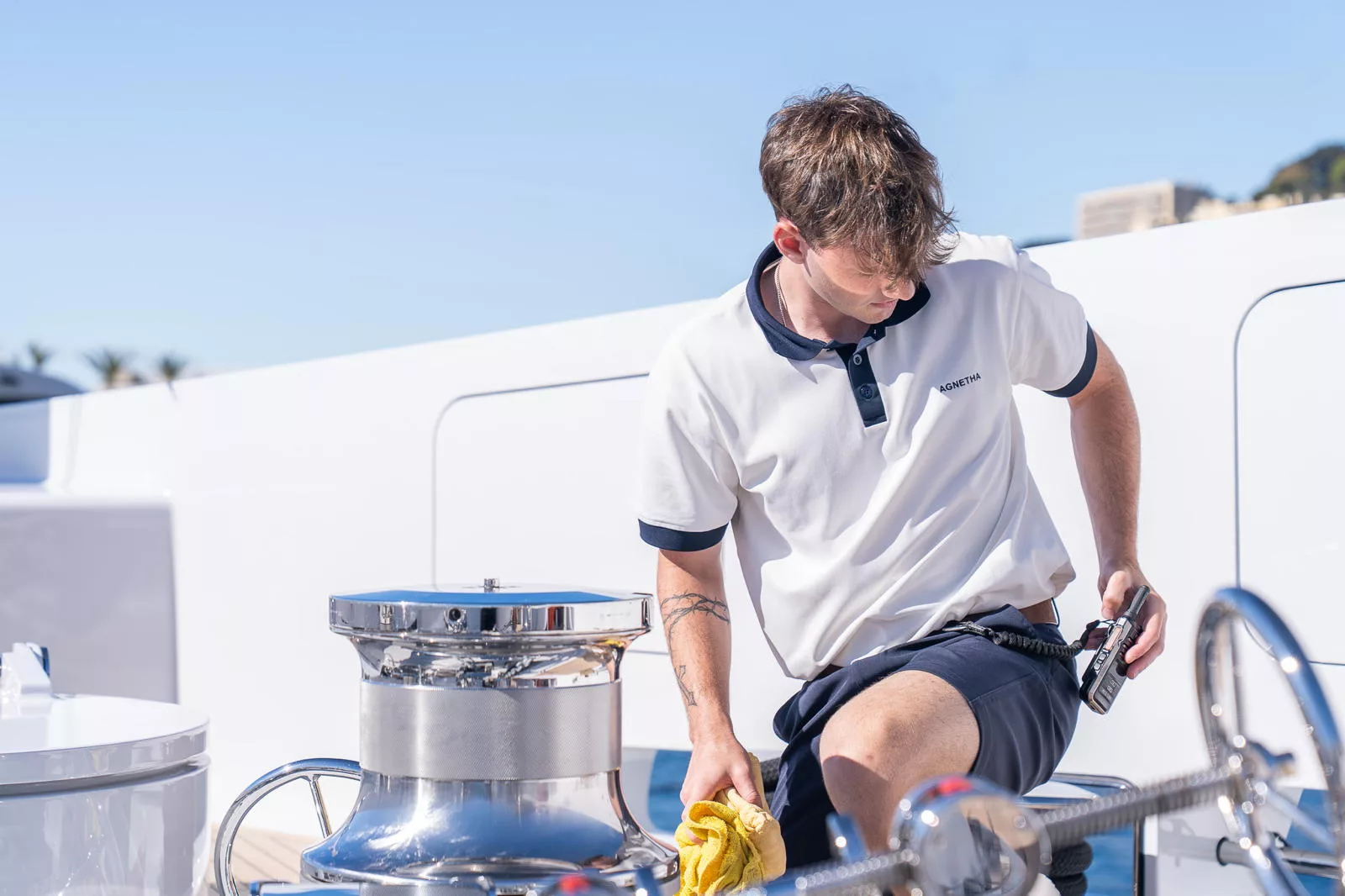
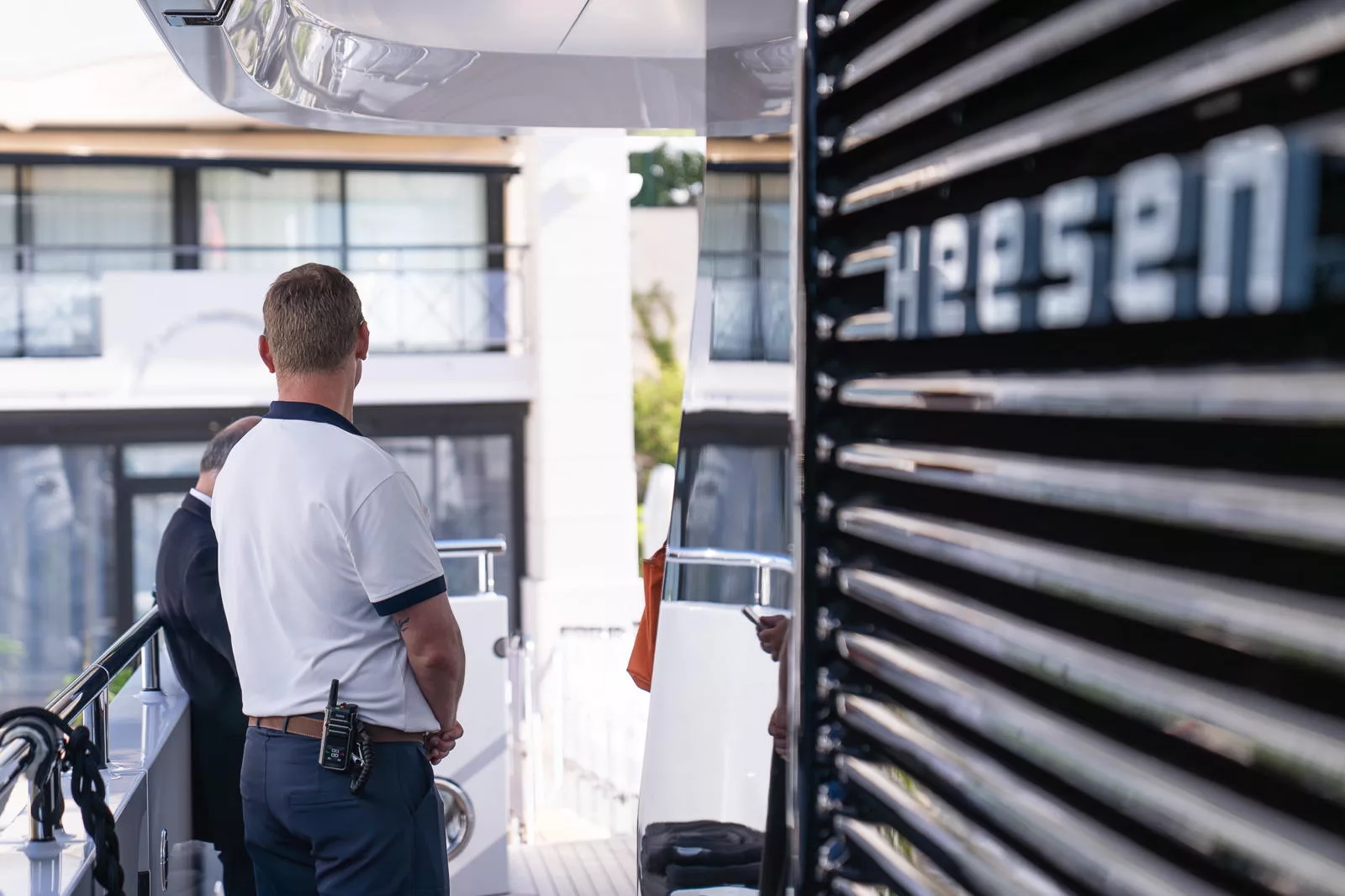
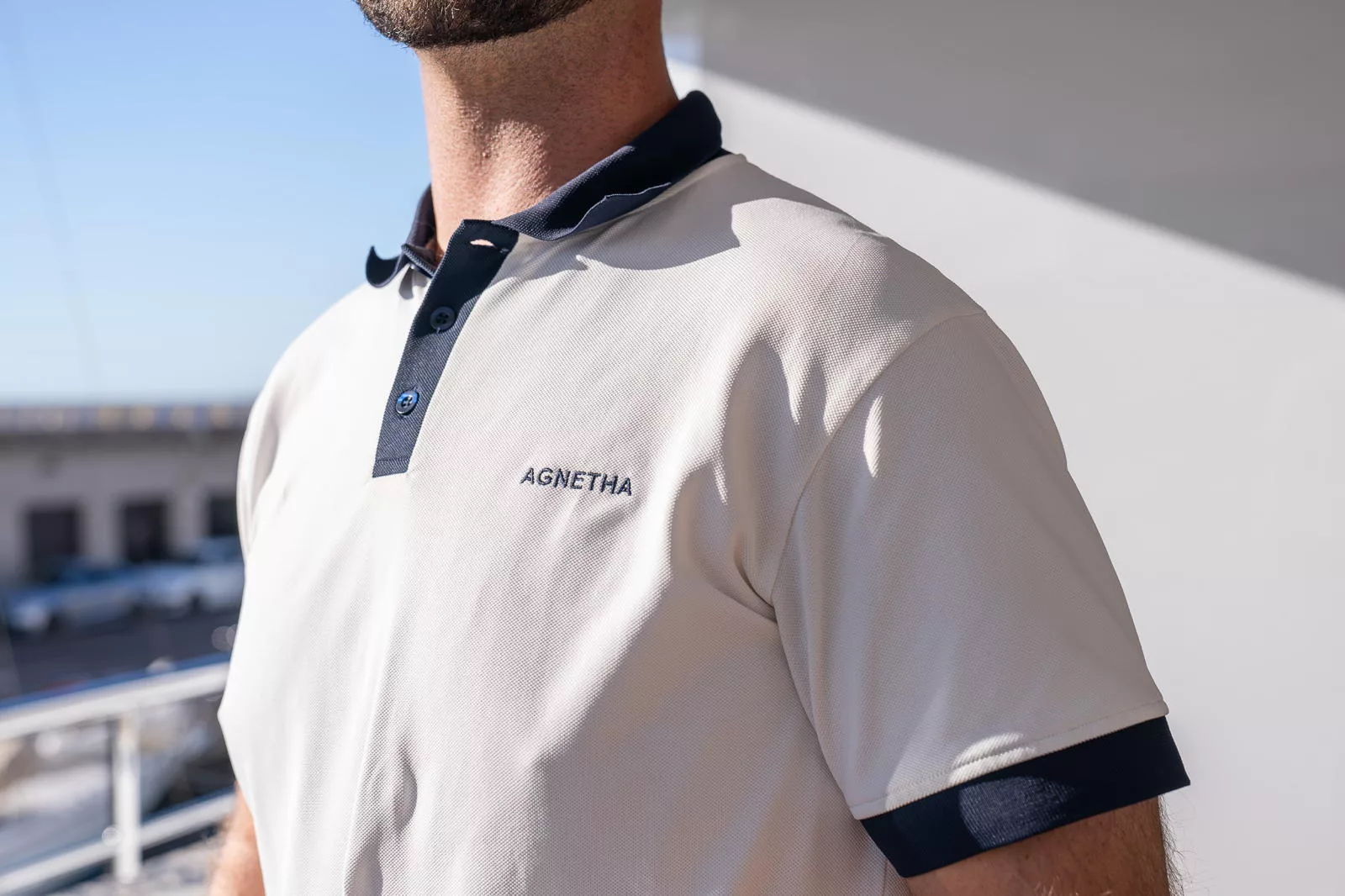
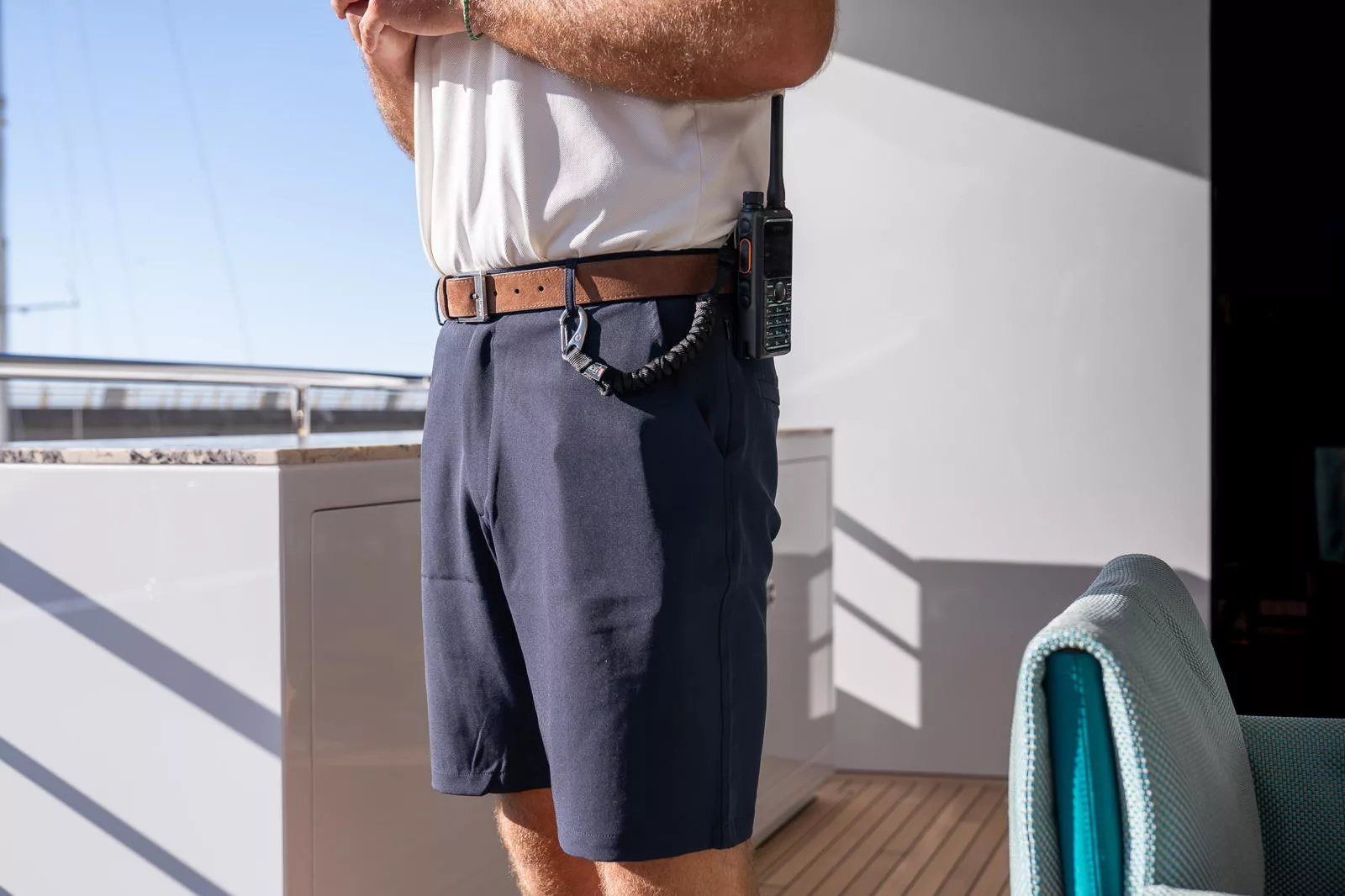
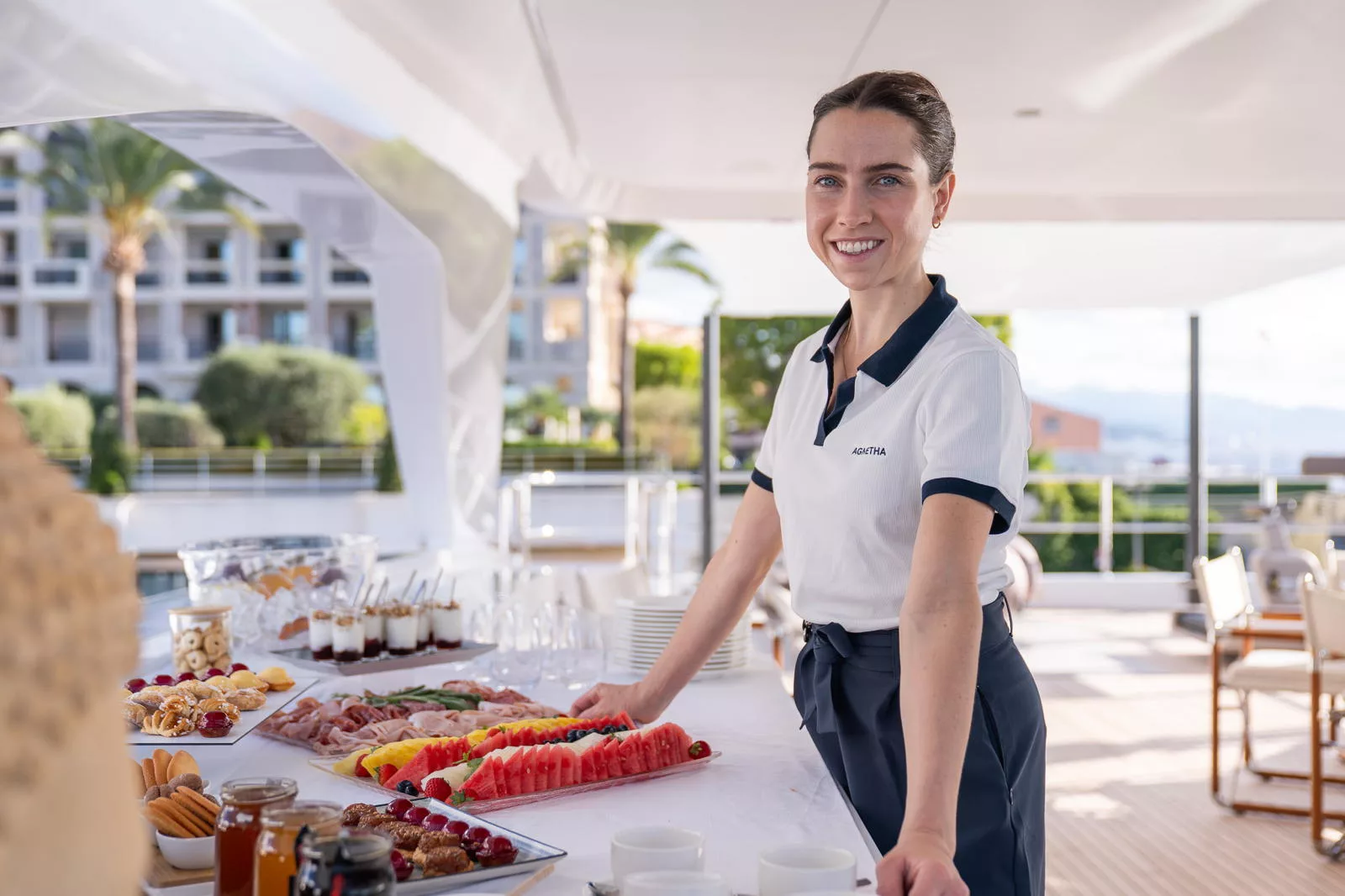
Oceanform approaches sustainability as a long-term commitment rather than a mere checkbox. “We do our very best to operate as responsibly as possible. We produce ethically in Portugal and source the majority of our fabrics from Europe,” they explain. This philosophy extends beyond materials alone. Oceanform is the 2025 Dockwalk Enterprise of the Year award winner and the founder of the Oceanform Initiative, a charitable marine conservation programme that supports ocean protection efforts worldwide. “When it comes to materials, we prioritise performance first and build sustainability into that. We use recycled or lower-impact fibres where they genuinely meet durability requirements, which often means blended fabrics rather than fully recycled ones.”
This focus on longevity reduces waste over time and supports another growing trend: the move away from large, standardised uniform inventories towards more focused capsule wardrobes. Rather than stocking dozens of items, owners are choosing fewer, better-designed pieces that work across different roles and moments on board such as technical gilets that work for early morning crossings and tailored skorts that transition effortlessly to lunch service.
“One of the clearest shifts we’re seeing is owners moving toward fewer, better-designed pieces,” Oceanform observes. “That was actually the founding vision for Oceanform: timeless styles that can be mixed and matched without losing cohesion.”
This shift has tangible operational benefits. A modular wardrobe takes up less storage, simplifies laundry logistics, all while keeping the crew consistently well presented. “Given how frequently uniforms are refreshed on board, we believe that designing essential pieces that work across multiple looks allows owners to invest in uniforms that evolve with the yacht, rather than requiring constant full replacements.”
As Project Agnetha settles into her life on the water, her crew’s appearance will continue to reflect the vessel’s character: smart, contemporary, and immaculately presented. It is a reminder that in the world of superyachts, luxury is found in the continuity of details, right down to the last stitch.
Share
Related Articles
How Laurens Last plans to reimagine Heesen
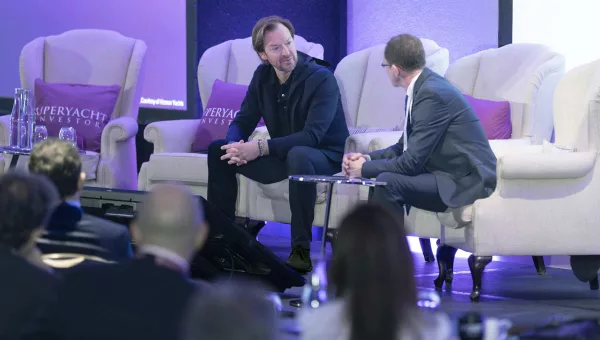 In Brief: The New Heesen The Data Revolution: Moving from narrative to data-led insight, with real-time telemetry and digital twins. The Owner’s Eye: Engineering yachts from the owners’ and guests’ perspective, not just the shipyard’s engineers. The Power of Steel: A strategic pivot...
Learn more
04 Feb 2026
In Brief: The New Heesen The Data Revolution: Moving from narrative to data-led insight, with real-time telemetry and digital twins. The Owner’s Eye: Engineering yachts from the owners’ and guests’ perspective, not just the shipyard’s engineers. The Power of Steel: A strategic pivot...
Learn more
04 Feb 2026
The architecture of influence
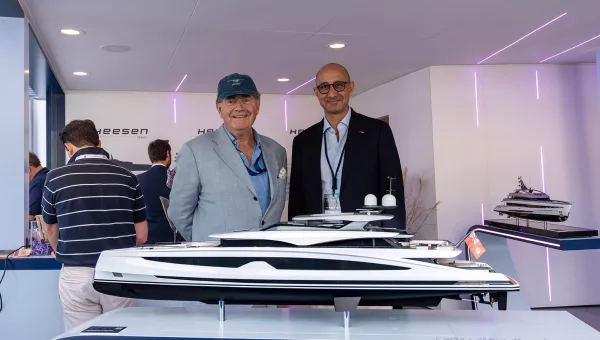 At the 2026 BOAT International Design & Innovation Awards, Andrew Winch received the Lifetime Achievement Award: a formal recognition of his contributions to the superyacht industry. Over the years, Heesen has established a strong partnership with Andrew’s studio, Winch Design, blending Dutch...
Learn more
At the 2026 BOAT International Design & Innovation Awards, Andrew Winch received the Lifetime Achievement Award: a formal recognition of his contributions to the superyacht industry. Over the years, Heesen has established a strong partnership with Andrew’s studio, Winch Design, blending Dutch...
Learn more
COME AND MEET US: YOU’RE INVITED!
Headquarters
Robert Drontmann Sales Director
| Sara Gioanola PR & Press Office Manager
Heesen Yachts Agents
Hisham Abushakra Agent for the Middle East region